Reviewing the Red Samurai Mask Design for Craft Fairs
As an embroidery designer who has spent countless weekends behind a booth table, I know that not every digital file translates into a bestseller. When I first loaded the Red Samurai Mask Design onto my machine, I wasn’t just looking at pixels; I was visualizing how it would perform under the harsh fluorescent lights of a convention center and the soft, natural light of an outdoor market. This review is written for fellow craft fair sellers, Etsy shop owners, and handmade entrepreneurs who need to know if this specific Asia-inspired motif is worth their thread, time, and fabric.
First Impressions: Boldness Meets Cultural Elegance
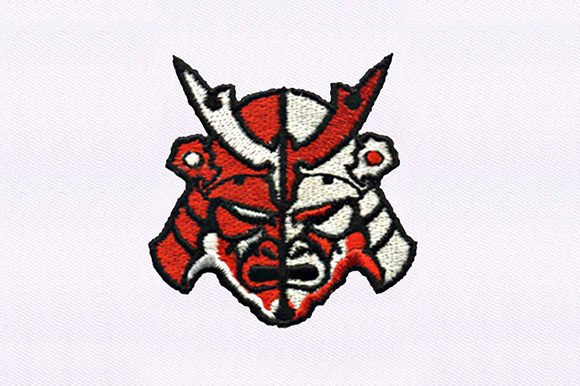
The immediate impact of the Red Samurai Mask Design is its boldness. In a sea of farmhouse florals and minimalist line art, this design commands attention. It feels premium and decorative, striking a balance between traditional Asian aesthetics and modern graphic appeal. The use of red is strategic; it is a color that draws the eye from a distance, making it an excellent candidate for booth displays where you have seconds to capture a passerby’s interest.
However, "bold" can sometimes mean "busy." My primary concern with any mask motif is clarity. Does it look like a menacing warrior or a stylized artistic piece? Upon closer inspection, this design leans towards the latter. It possesses a certain elegance that prevents it from feeling too aggressive for general consumer goods. For a handmade product line, this versatility is key. It allows you to market the item not just as a novelty, but as a piece of wearable art or home decor.
Product Applications: Where This Design Shines
To maximize sales, you must match the design to the right substrate. Here is how I evaluate the Red Samurai Mask Design across various popular craft fair products:
- Tote Bags and Market Bags: This is arguably the strongest application. A canvas tote provides a flat, stable surface that allows the intricate details of the mask to shine. The large surface area means you can scale the embroidery file up without losing integrity, creating a striking focal point that turns a simple bag into a statement piece.
- Aprons and Kitchen Textiles: For tea towel embroidery or apron embroidery, placement is critical. A chest-pocket placement works well, but ensure the design isn't too wide for standard pockets. The red thread contrasts beautifully against white or natural linen, giving a high-end boutique feel to everyday kitchen items.
- Embroidered Patches: If you are selling small shop products like patches, this design is ideal. The self-contained nature of a mask shape makes it perfect for cutting out. However, you must check the stitch density to ensure the edges don't fray when cut. A satin stitch border is essential here.
- Caps and Headwear: Embroidering on curved cap surfaces is tricky. The Red Samurai Mask Design may require digitizing adjustments to prevent puckering. If the design is too wide, it will wrap around the curve and distort. I recommend testing this on a structured cap first to see if the facial features remain symmetrical.
- Pillow Covers: For home decor, this design adds a touch of global flair. It works best on solid-colored pillows where the red can pop against navy, black, or cream backgrounds.
Production Practicality for the Busy Seller
When preparing for a weekend craft fair, efficiency is everything. You need a machine embroidery design that is repeatable and reliable. The provided EMBROIDERY FILE FORMATS—10O, ART, CND, DSB, DST, DSZ, EXP, HUS, JEF, PCS, PEC, PES, TAP, VIP, VP3, XXX—offer incredible compatibility. Whether you run an older Brother machine or a modern Bernina, you likely have a compatible format in this list. This universality reduces the friction of file conversion, which can often introduce errors.
From a production standpoint, consider the stitch density. Dense areas in the mask’s detailing can cause fabric to pucker if not properly stabilized. For batch production, I advise using a cut-away stabilizer for garments that will be washed frequently, such as tote bags and aprons. For decorative items like wall hangings, a tear-away might suffice, but always test first.
Photography is another crucial element for the Etsy seller. The high contrast of the red thread against neutral fabrics photographs exceptionally well. It creates sharp, clean images for your digital listings. When creating a printable mockup or listing photos, ensure the lighting highlights the texture of the stitches. The sheen of rayon or polyester thread can add a luxurious dimension to the mask’s eyes and teeth, enhancing the perceived value of the finished product.
Careful-Use Notes and Technical Considerations
While the design is strong, there are pitfalls to avoid. First, be mindful of tiny details. If you scale the design down too much for a small pouch or a child’s item, the finer lines of the mask may merge, losing clarity. Always check the minimum recommended hoop size before resizing. If the original digitizer intended it for a 5x7 hoop, shrinking it to fit a 4x4 might compromise the quality.
Fabric texture also plays a role. Thick, textured towels can swallow small stitches. If you are doing tea towel embroidery on waffle weave or terry cloth, you may need to increase the stitch length or use a topping to keep the design visible. Similarly, on dark fabric, ensure your bobbin thread matches the top thread to prevent white specks from showing through the red design, which can look unprofessional.
Another consideration is the commercial license. Before selling any commercial embroidery products, confirm the licensing terms associated with this digital embroidery file. Most designers allow sales of finished physical goods but prohibit the resale of the design asset itself. Protect your business by keeping records of your purchase and license agreement.
Enhancing Brand Consistency and Buyer Engagement
Incorporating the Red Samurai Mask Design into your lineup can strengthen your brand if you position it correctly. It suggests a curator’s eye for global trends and bold aesthetics. For booth display strength, use this design on your most visible items. Hang a tote bag with this embroidery at eye level. It acts as a conversation starter, allowing you to engage buyers who are drawn to the unique imagery.
To ensure the best results, follow these practical embroidery designer notes:
- Test on Scrap Fabric: Never run a new design on your final product first. Use the same fabric type and weight to check for puckering or thread breaks.
- Check Thread Contrast: Experiment with different shades of red. A brighter crimson may look more modern, while a deeper burgundy might feel more traditional and rustic.
- Review Spacing: Ensure there is enough negative space around the mask so it doesn't feel cramped on the item.
- Create Real Mockups: Sew one sample item to use for photos and as a booth sample. Customers love to touch and feel the quality of the stitching.
- Compare Fabric Colors: The red mask will look drastically different on black versus beige. Stock both options to cater to different customer preferences.
Ultimately, the Red Samurai Mask Design is a versatile asset for the creative entrepreneur. It bridges the gap between traditional Asia-inspired art and contemporary handmade trends. By paying attention to stitch density, fabric choice, and placement, you can transform this digital file into a high-margin craft fair product that stands out in a crowded marketplace. Whether you are an experienced Etsy seller or a newcomer to the world of embroidery, this design offers the visual punch needed to drive buyer engagement and boost sales.