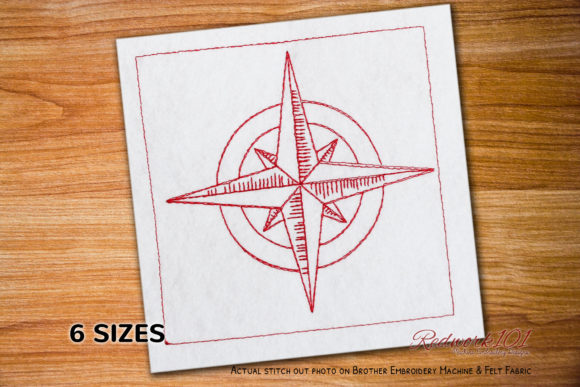
Compass Lineart Design: A Designer’s Review
As an embroidery designer who has spent years digitizing files for small businesses, I approach every new machine embroidery design with a critical eye. It is not just about aesthetics; it is about functionality, brand alignment, and production efficiency. Recently, I evaluated the Compass Lineart Design, a piece that sits comfortably within the Beach category but offers versatility far beyond coastal themes. For shop owners, Etsy sellers, and apparel decorators, understanding how this design translates from a digital file to a tangible asset is crucial for maximizing its commercial potential.
First Impressions and Visual Personality
The first thing that strikes me about the Compass Lineart Design is its clean, minimalist aesthetic. In a market saturated with overly complex, high-density logos, this design breathes. It feels modern yet classic, striking a balance between professional precision and a friendly, handmade charm. The line art style suggests elegance without being stiff, making it an excellent candidate for brands that want to appear approachable yet premium.
One specific technical detail noted in the product description is that "The Box Stitch shown in picture is optional." This is a significant advantage for us as designers. It means we have control over the final look. If the outer box color clashes with our chosen thread palette, we can skip it entirely. This flexibility allows the compass motif to stand alone as a sleek icon or remain framed for a more traditional badge look. The ability to modify the outer boundary directly impacts how well the design integrates into various design assets and existing brand identities.
Real-World Applications for Small Business Merch
When I consider where this design performs best, I look at the diverse needs of my clients, ranging from local cafés to boutique florists. The Compass Lineart Design is not limited to beachwear; its symbolic nature—direction, guidance, exploration—makes it universally appealing.
- Embroidered Patches: This is perhaps the strongest use case. The clear lines of the compass translate beautifully into an embroidered patch. Whether ironed onto denim jackets or sewn onto canvas bags, the design holds its integrity. The optional box stitch allows for a clean edge that is easy to finish.
- Cap Embroidery: Front-panel cap embroidery requires designs that are not too wide and have manageable stitch density. This lineart style is ideal for curved surfaces because it avoids excessive pull on the fabric. It works exceptionally well as a subtle chest logo accent or a centered front emblem.
- Tote Bag Design: For creative studios and bakeries, branded tote bags are essential. The Compass Lineart Design serves as a sophisticated tote bag design element. It looks particularly striking when embroidered in a contrasting thread color against natural cotton or heavy canvas.
- Apron Embroidery: Staff uniforms in hospitality benefit from subtle branding. Embroidering this compass on the corner of an apron adds a touch of professionalism without overwhelming the garment. It signals attention to detail, which builds customer trust.
Navigating Technical Challenges and Fabric Textures
While the design is versatile, there are areas where caution is required. As with any digital embroidery file, understanding the interaction between stitch density and fabric texture is vital. Line art designs can sometimes suffer if the spacing between lines is too narrow, leading to thread bunching or fabric puckering.
I recommend testing the design on the actual fabric you intend to use. For textured fabrics like terry cloth or heavy wool, you may need to adjust the underlay or increase the spacing slightly to ensure the lines remain crisp. On dark uniforms, ensure your thread colors provide sufficient contrast. A navy thread on a black shirt will vanish, rendering the detailed line work invisible. Always create a printable mockup or a physical sample to verify visibility before running a full production batch.
Additionally, consider the hoop size relative to the design dimensions. If you are shrinking this design for a small pocket logo or a tiny label, verify that the details do not become lost. Tiny lettering or intricate points in the compass needle may merge if scaled down too aggressively. If the product description does not specify exact stitch counts or recommended minimum sizes, it is prudent to stitch out a test sample at your intended size to check for clarity.
Enhancing Brand Identity and Customer Engagement
For small business owners, every stitch contributes to brand identity. The Compass Lineart Design offers a narrative element. It suggests journey, discovery, and reliability. When used consistently across custom apparel, packaging accents, and merchandise, it reinforces visual consistency. This consistency is key to building recognition. Customers are more likely to trust a brand that presents a cohesive, professional image.
Using this design as part of a broader small business merch strategy can elevate perceived value. A simple t-shirt becomes a collector's item when adorned with a well-executed, meaningful emblem. For Etsy sellers and crafters, offering items featuring this design can differentiate your shop from competitors using generic clipart. It signals that you invest in quality commercial embroidery resources.
Practical Notes for Production
Before committing to a large order, follow these practical steps to ensure the best finished product:
- Test in Black and White: Before selecting fancy thread colors, stitch the design in black thread on white fabric. This reveals any issues with spacing, density, or registration without the distraction of color.
- Check Stabilizer Compatibility: Use the appropriate stabilizer for your fabric type. Cut-away stabilizer is often best for garments that will be washed frequently, ensuring the design remains stable and does not distort over time.
- Verify Commercial Licensing: Always confirm the license terms associated with the embroidery file. Ensure you have the right to use it for physical goods sold to customers. If the terms are unclear, contact the designer directly.
- Review Thread Color Contrast: Since the outer box color is optional, experiment with different combinations. Sometimes, skipping the box entirely creates a cleaner, more modern look that aligns better with minimalist brand aesthetics.
- Compare Beside Other Assets: Place the stitched sample next to your logo, business cards, and other branding materials. Does it complement them? Does it feel like part of the same family?
In conclusion, the Compass Lineart Design is a robust addition to any embroidery library. Its adaptability across various products—from caps to totes—and its clean, professional appearance make it a valuable tool for enhancing handmade product lines. By paying attention to technical details like stitch density and fabric choice, you can leverage this design to create high-quality, engaging merchandise that resonates with your customers. Whether you are decorating uniforms for a local café or creating gifts for a pet brand, this design offers the flexibility and elegance needed to elevate your commercial projects.